How to know when spreadsheets are holding the business back. Key takeaways: Start with the business decision the CRM should improve.; Check whether the data, process and adoption model support that decision..
Ditch Spreadsheets and Set Up a CRM That Actually Works
METADATA (for WordPress / Yoast / Rank Math)
- Focus Keyword: spreadsheet to CRM
- Meta Title: Why You Should Ditch Spreadsheets for CRM in 2025 | CRM Insights UK
- Meta Description: 32% of UK SMEs still use spreadsheets for customer data. Learn how to ditch spreadsheets and set up a CRM that drives growth-in under 5 minutes.
- Canonical URL: https://crminsights.co.uk/start/ditch-spreadsheets-crm/
- Silo: start
- Secondary Keywords: spreadsheet CRM alternative, Excel customer management, upgrade from spreadsheets CRM, CRM for small business UK
Related Posts (internal links)
- How to migrate from ACT!
- 5 Common CRM Mistakes and How to Avoid Them
- How to leverage CRM to improve your sales performance
Ditch Spreadsheets and Set Up a CRM That Actually Works
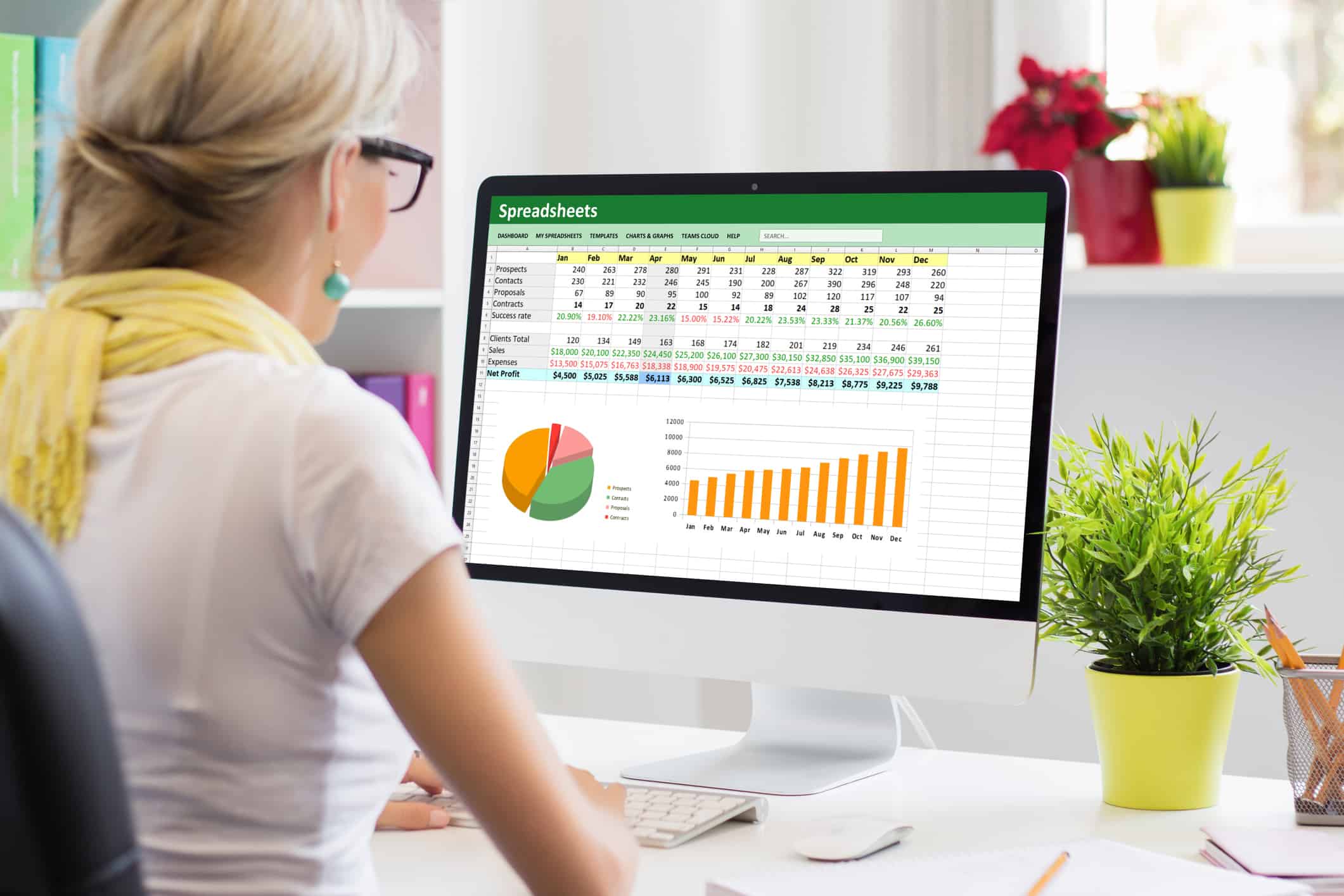
Spreadsheets were never designed to be CRMs.
Sure, they're familiar. They're easy. But as your business grows, relying on Excel or Google Sheets to manage customer data is a recipe for lost sales, inefficiency, and messy reporting. According to Startups.co.uk, 32% of UK SMEs still use spreadsheets to manage customer data instead of a proper CRM-and that's holding them back.
TL;DR: Spreadsheets lack automation, real-time collaboration, and pipeline visibility. Businesses that map their CRM needs before switching see much faster adoption rates. Two steps: map your daily workflows first, then choose a CRM that fits-not fights-your sales process.
Why spreadsheets are costing you
The problems with spreadsheet-based CRM are well documented:
- No automation: Every follow-up, reminder, and update must be done manually
- No real-time collaboration: Multiple versions lead to confusion and errors
- No sales pipeline visibility: You can't track deals properly or forecast accurately
- High risk of lost data: One accidental overwrite, and it's gone
And most importantly: your competitors aren't using spreadsheets anymore. 91% of companies with 10+ employees use CRM software, according to UK market data.
Make 2025 the year you upgrade
If you're still running your sales, marketing, or customer relationships from spreadsheets, it's time to ask yourself: "Is this really the best system for growing my business?"
If the answer is anything but a firm YES, it's time for a smarter solution.
1. Start by Mapping Your Daily CRM Needs
Many businesses jump into a CRM switch blindly, without first identifying their biggest workflow pain points. That's a recipe for choosing the wrong system.
Fix it now:
- List the key tasks you do in spreadsheets today: tracking leads, managing deals, follow-ups, reporting
- Identify the biggest bottlenecks: where do things slow down, get messy, or require too much manual work?
- Ask: If my team doubled in size, could we still manage sales in Excel?
Businesses that properly map their CRM needs see much faster adoption rates when they switch. Take the time to document your current process before you evaluate systems.
2. Find a CRM That Fits (Not Fights) Your Sales Process
Many businesses pick a CRM that's too complex, too expensive, or not suited to their workflow-so they abandon it. The 55% CRM implementation failure rate often stems from poor fit, not bad software.
Fix it now:
- Choose a CRM that matches your business model, not just a "big brand"
- Look for easy automation so your CRM does the work, not you
- Ensure it integrates with your current tools: email, accounting, marketing software
- Take a test drive before committing; most CRMs offer free trials
Companies that align their CRM with their sales process close more deals than those that don't. Fit matters more than features.
Ready to make the switch?
If you're still running your sales from spreadsheets, you're losing time, missing revenue, and falling behind. But making the switch doesn't have to be overwhelming.
- Get a free CRM Business Case template: Use our proven framework for convincing decision-makers to invest in the right CRM
- Need expert guidance?: Book a 1-on-1 consultation and we'll help you choose, set up, and optimise your CRM
Not sure where your CRM stands? Take our free CRM Scorecard for a 5-minute assessment and personalised recommendations.
This post was adapted from a newsletter we sent to our readers. Subscribe here to receive future insights.
Related Posts
- How to migrate from ACT!
- 5 Common CRM Mistakes and How to Avoid Them
- How to leverage CRM to improve your sales performance
FAQ (for Schema)
Why should I switch from spreadsheets to CRM? Spreadsheets lack automation, real-time collaboration, and pipeline visibility. A proper CRM automates follow-ups, gives your team a single source of truth, and lets you track deals and forecast accurately. 91% of companies with 10+ employees use CRM software.
How do I choose the right CRM? Map your daily workflows first-tracking leads, managing deals, follow-ups. Identify your biggest bottlenecks. Then choose a CRM that integrates with your existing tools and matches your business model, not just a big brand. Take a free trial before committing.
What happens if I choose the wrong CRM? Over 55% of CRM implementations fail, often because the system doesn't fit the business. Avoid this by mapping your needs first and prioritising workflow alignment over flashy features.